
Publications & Research
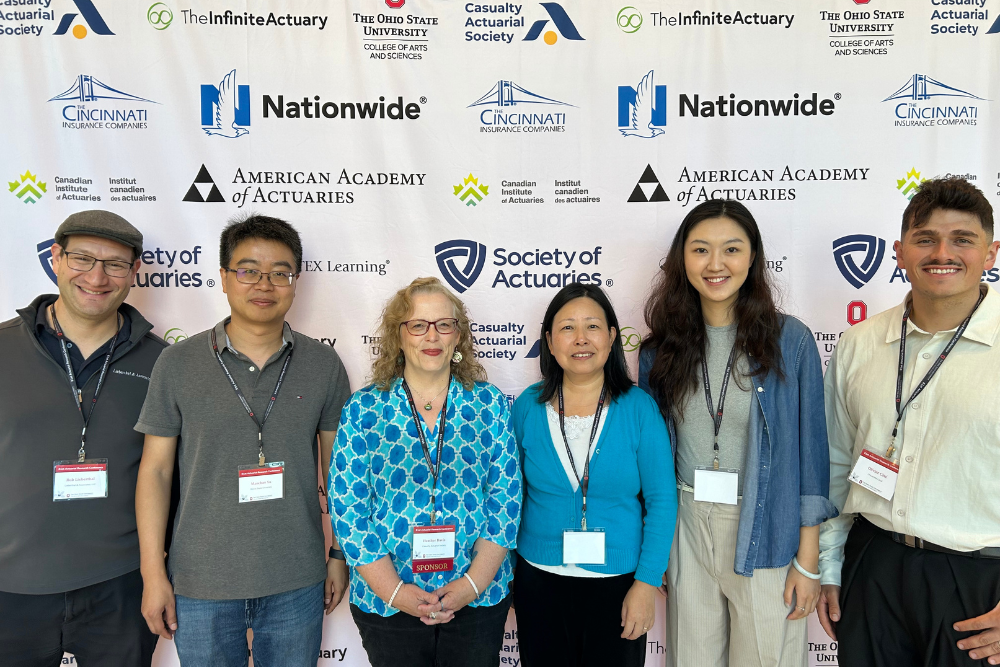
The Casualty Actuarial Society (CAS) had a strong presence at the 61st Actuarial Research Conference (ARC), held July 21-24 at The Ohio State University.
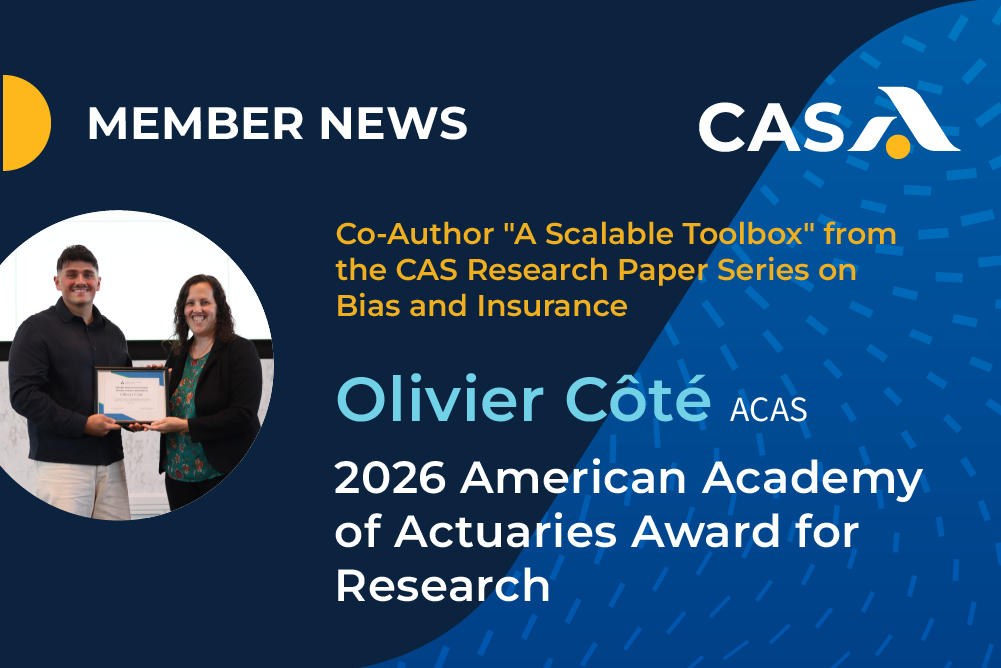
The Casualty Actuarial Society (CAS) congratulates Olivier Côté, ACAS, on receiving the 2026 American Academy of Actuaries Award for Research. Côté received the honor for his contributions as co-author of "A Scalable Toolbox for Exposing Indirect Discrimination in Insurance Rates,"
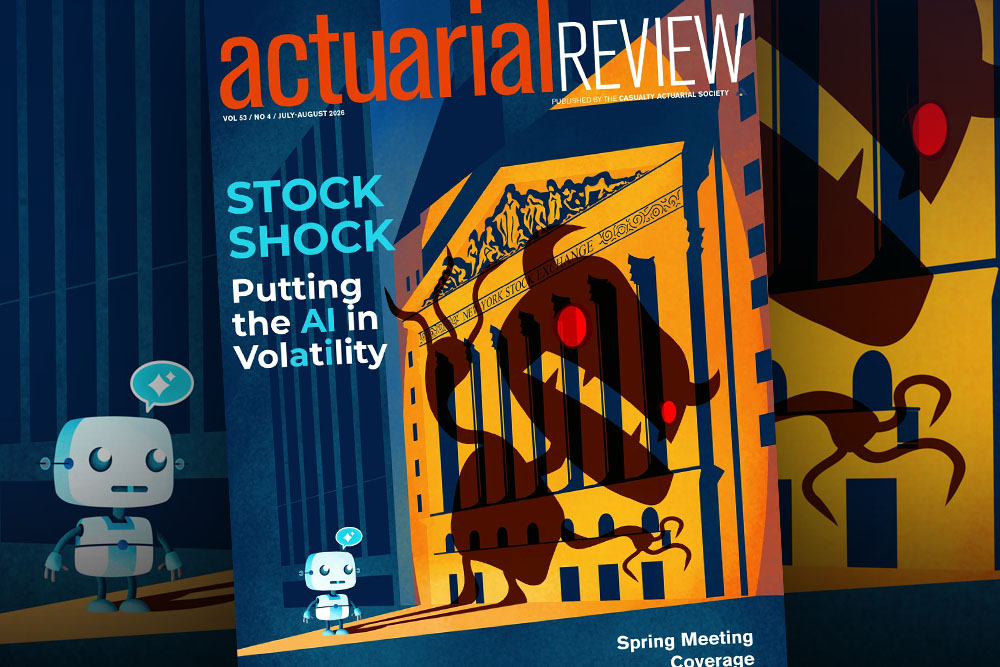
The July/August 2026 issue of Actuarial Review explores how artificial intelligence is reshaping the insurance industry and the actuarial profession.
The announcement of the recipients of the 2026 Individual Research Grants Competition contains an error.
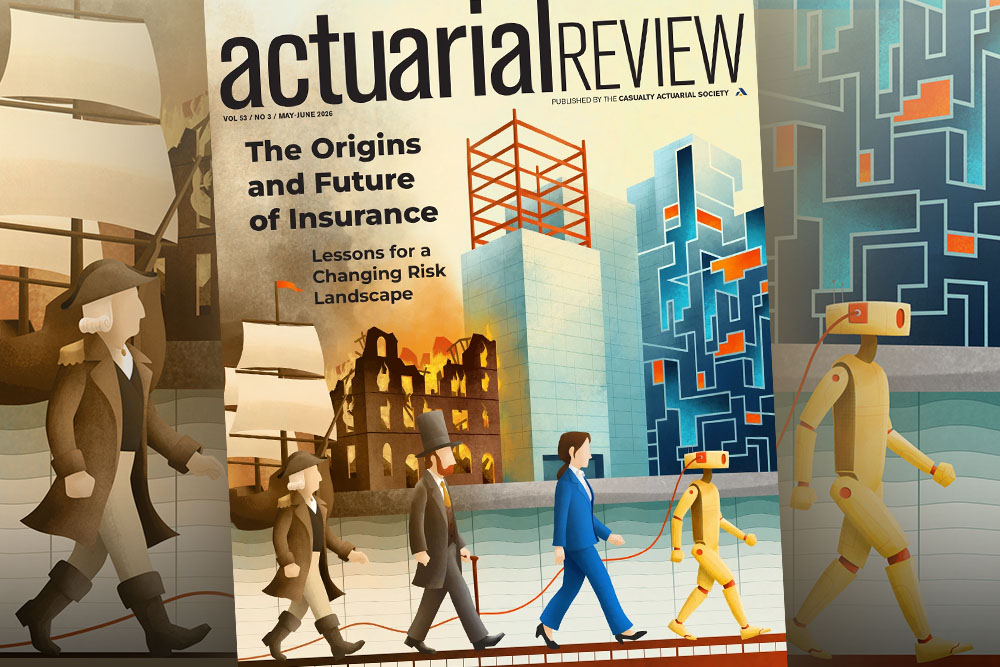
The CAS is pleased to announce that the May–June 2026 issue of Actuarial Review is now available online.
The CAS has released its 2025 Annual Report, highlighting a year of continued progress, innovation, and global growth in support of CAS members and the property and casualty actuarial profession.

Artificial Intelligence (AI), CAS News, Membership / Notices to Members, Press Releases, Publications & Research, Research
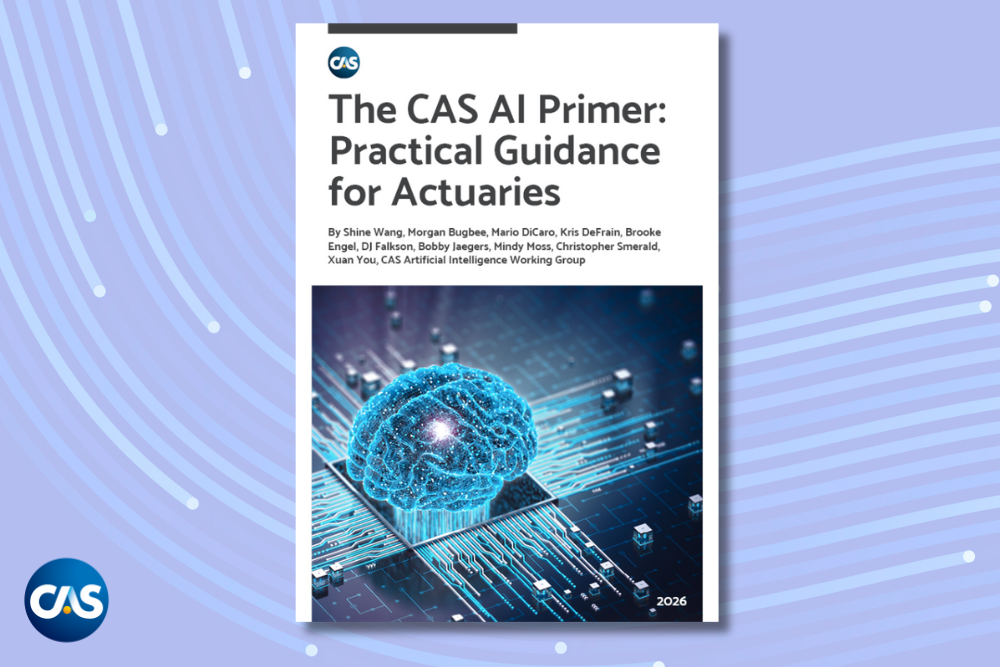
The Casualty Actuarial Society is pleased to release The CAS AI Primer: Practical Guidance for Actuaries, a concise, practitioner-focused resource designed to support actuaries in the responsible use of artificial intelligence.
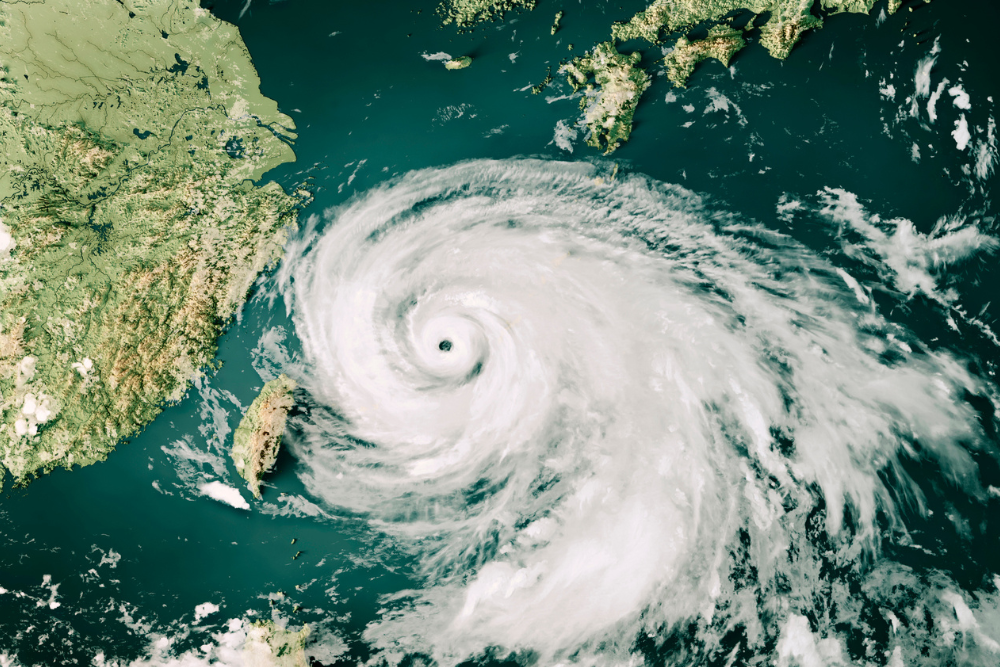
The Casualty Actuarial Society (CAS) has released a new research paper, A Quantitative Approach to Evaluate Climate Change Impact on Typhoon Risk with a Case Study in the Western North Pacific Basin.